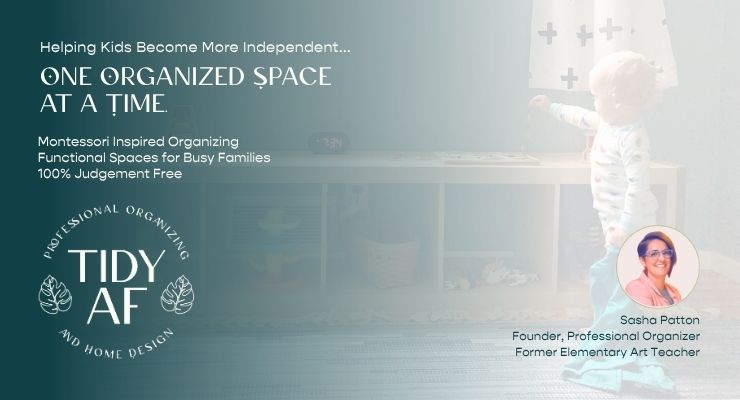






















You ask your child to clean up their room, only to find toys covering every inch of the floor ten minutes later. It’s easy to assume they’re ignoring you or simply don’t want to help, but according to Greenville professional organizer Sasha Patton, founder of TIDY AF, the problem often has less to do with behavior and more to do with the systems we’ve created. After years of helping families organize their homes, Sasha noticed the same patterns over and over again. Kids’ rooms were packed with toys, storage was difficult for little hands to use, and parents were exhausted trying to keep everything under control. That’s what led her to begin combining Montessori-inspired principles with the practical organizing strategies TIDY AF is known for.
Montessori-Inspired Doesn’t Mean Picture-Perfect
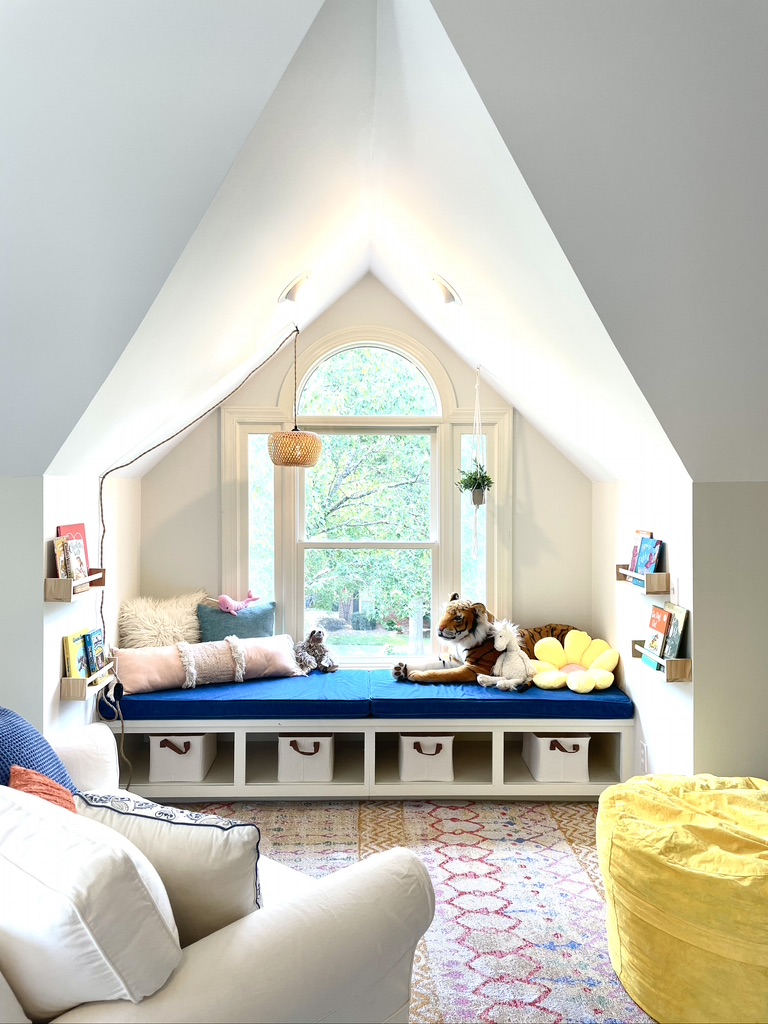
Before you picture a perfectly minimal playroom filled with wooden toys and matching baskets, that’s not what she’s talking about.
The goal isn’t to create a showroom.
It’s to create an environment where children can find what they need, use it independently, and put it away with confidence.
The Puzzle Moment: Proof That Systems Work
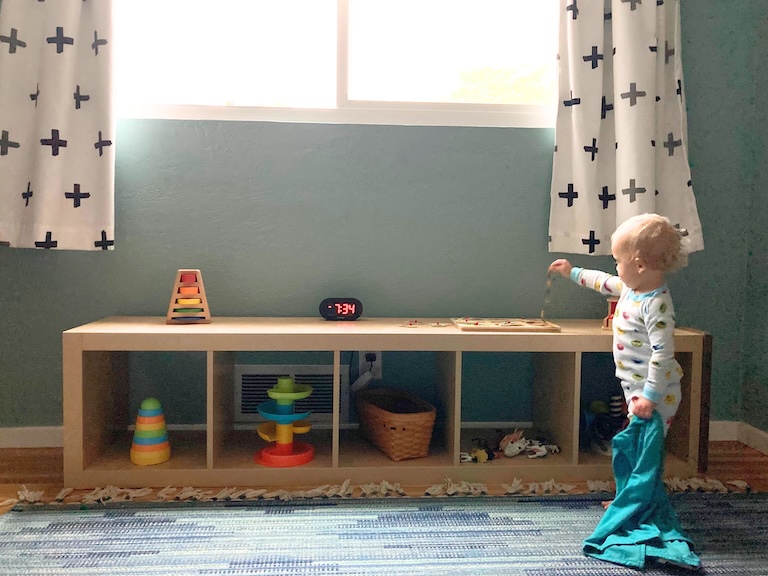
One of Sasha’s favorite client moments perfectly illustrates why these systems work. After decluttering and organizing a local family’s playroom, their fouryear-old walked over, chose a puzzle, completed it, and returned the puzzle to its shelf without being asked. His mom laughed and said, “He’s never done that before.” The reality was that he always could. He simply needed a space that made success easier.
Why Fewer Toys Lead to Better Play
One of the biggest misconceptions parents have is that more toys lead to happier kids. In practice, the opposite is often true. When children have access to every toy they own all at once, they can become overwhelmed, bounce quickly between activities, and struggle to focus on deep, imaginative play. Instead of adding more storage, Sasha recommends offering fewer choices. A toy rotation system allows families to keep a smaller collection of toys available while storing the rest. Every few weeks, different toys are rotated into the room, making old favorites feel exciting again without buying anything new.
Tidy AF Kid’s Room Reset Guide
If creating calmer, more functional spaces for your family has been on your list, TIDY AF offers customized home organizing services in Greenville and surrounding areas, including children’s spaces designed to support independence as kids grow. Families looking to get started on their own can also download TIDY AF’s complimentary Kids’ Room Reset Guide, a practical workbook filled with simple, real-life strategies for creating systems that actually work.
The Container Method: A Visual Boundary Kids Understand
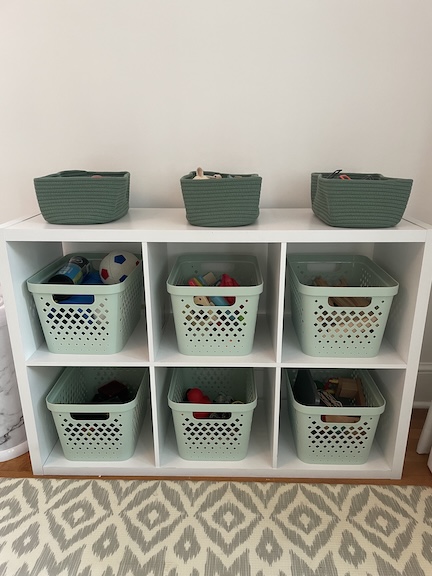
Another concept parents often find helpful is what TIDY AF calls the Container Method. Every category of toys is assigned a specific container, whether that’s a basket, shelf, or drawer. The container determines the limit. If the Barbie basket is overflowing or the Lego shelf is completely full, it’s time for children to decide what they want to keep before adding anything new. While kids may not always love the rule, the visual boundary gives them a concrete way to understand limits and helps prevent clutter from slowly taking over.
Designing Spaces That Build Independence
Montessori principles also encourage parents to think differently about independence. Rather than doing everything for children, the environment is designed so they can do more for themselves. Lower hooks for backpacks, accessible bookshelves, reachable snack drawers, and assigned places for toys all invite children to participate in everyday routines. These small changes help build confidence while making life easier for parents. As Sasha points out, children aren’t tiny adults. They need systems that match their developmental stage. When belongings are easy to see, easy to reach, and easy to return, children are much more likely to take ownership of their space.
Progress Over Perfection
Perhaps the most reassuring takeaway for parents is that an organized home isn’t about perfection. Every family has busy weeks, laundry piles up, and toys end up on the floor. Sustainable organization isn’t about creating a picture- perfect home. It’s about reducing the daily friction so everyone can spend less time managing clutter and more time enjoying life together.
Get Started With TIDY AF